Thursday, 6 August 2020

The amazing story of how I saved the lives of 2 wild bobcat cubs through Wildlife Rescue

Years ago I worked on staff at Wildlife Rescue & Rehabilitation.

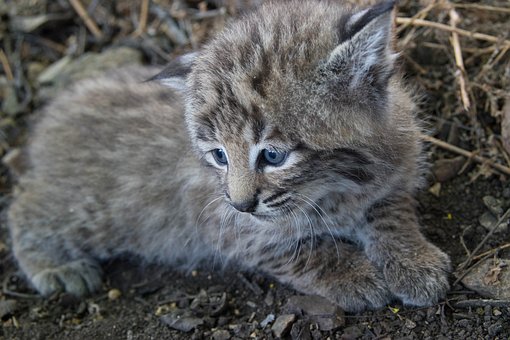
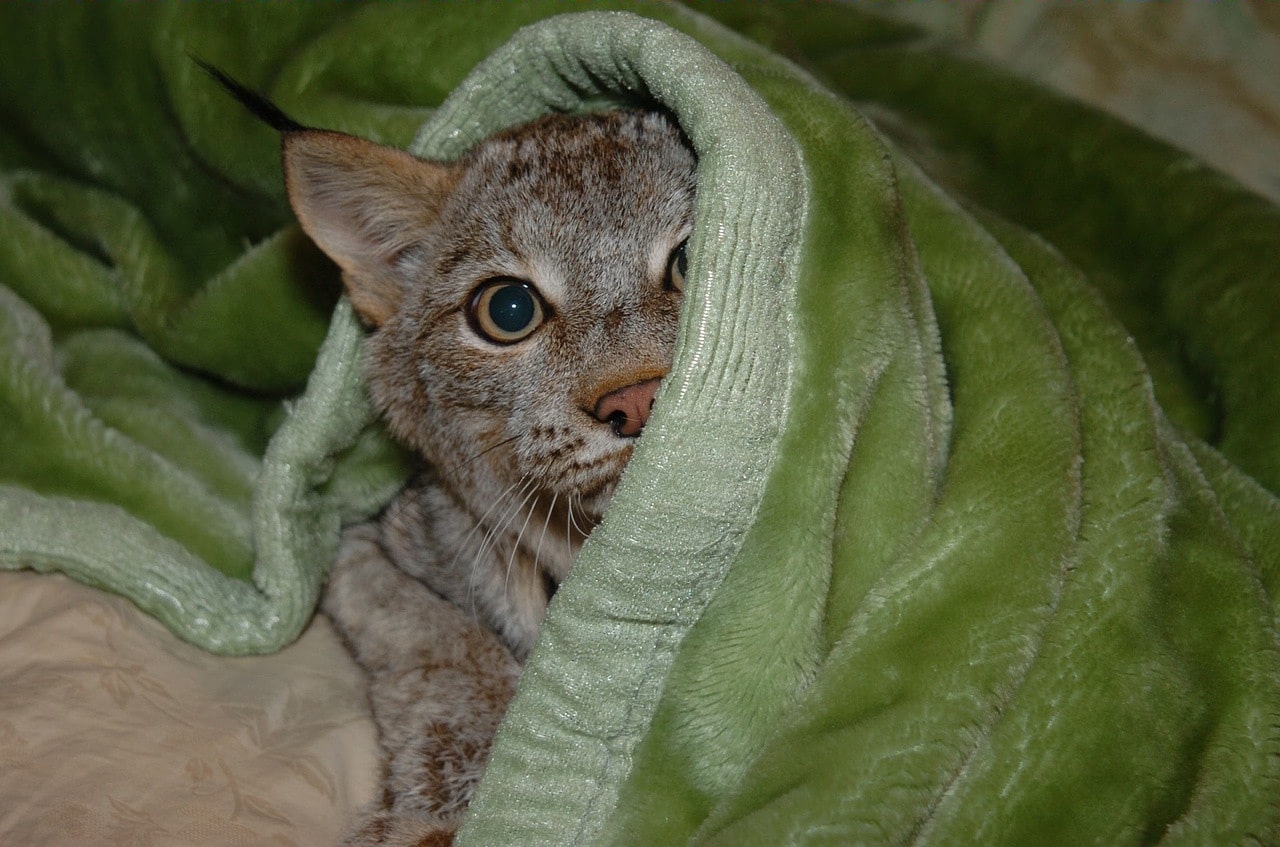
One day a volunteer with the Wildlife Rescue team brought in 3 wild bobcat cubs, about 3 months old. They were in very bad shape.

Their coats were mangy and dirty, they were full of stickers, fleas and a few ticks. Very skinny, clearly they were starving.

Our director, Tim, immediately started working with them. He first sedated them. Sedation with wild animals in bad health is always risky business but he had no choice. They were beautiful, wild creatures and even though very young, they were very dangerous. Their teeth were razor sharp and approximately 2 inches long. Their claws were long and extremely sharp too.

bobcat baby cat whisperer

Once they were sleeping, he could examine them safely. After that, he gave them a bath and brushed their coats. He gave them shots. And then he left them to wake up in a secluded quiet spot of the main house.

Before he left late that afternoon, he gave me instructions to watch them carefully. They should wake up in a few hours.

So I watched.

And I watched…

3 hours came and went and still, they slept like the dead, not a muscled stirring, not an ear or whisker twitching.

Another 2 hours went by and when I checked on them again, I realized that one of them had died.

I called Tim and told him, but his attitude was a fatalistic one. He reminded me that they were in bad shape and that maybe it was best that they died, there was nothing more that we could do.

It was a very depressing moment.

I felt so sad that these young cubs had experienced such a harsh life, and for that one at least, it wasn’t strong enough to make it. And I realized that the other 2 could die as well if something wasn’t done.

After I grieved, I felt something inside me stir. My inner voice said, “No! I will NOT let these other 2 cubs die without a fight, without me doing my very best for them.”

Albert Einstein said that continuing to do the same things over and over expecting a different results is the very definition of insanity!

Quickly I decided that I had to do something extraordinary to try to save their lives. So I let myself into their pen and sat down beside them, still quietly sleeping on the ground.

I tuned in and connected with them heart to heart, mind to mind, and began the conversation (exactly like I teach in the Beginning Core Foundations Course).

I told them that their brother had died, and that with them, I grieved his loss. Through our connection, I explained that I was there to help them wake up and recover. I assured them that they were needed and important and beautiful and wise souls.

Then I heard their voices, the boy’s voice was strong, inquisitive and clear. The girl’s voice, however, was quieter, softer and much too faint… like she was fading away.

I asked for permission for touch them with my “paw”, and respectfully requested that they not hurt me if and when they woke up. I assured them they were with a friend, someone who cared for them deeply, and I felt my love for them.

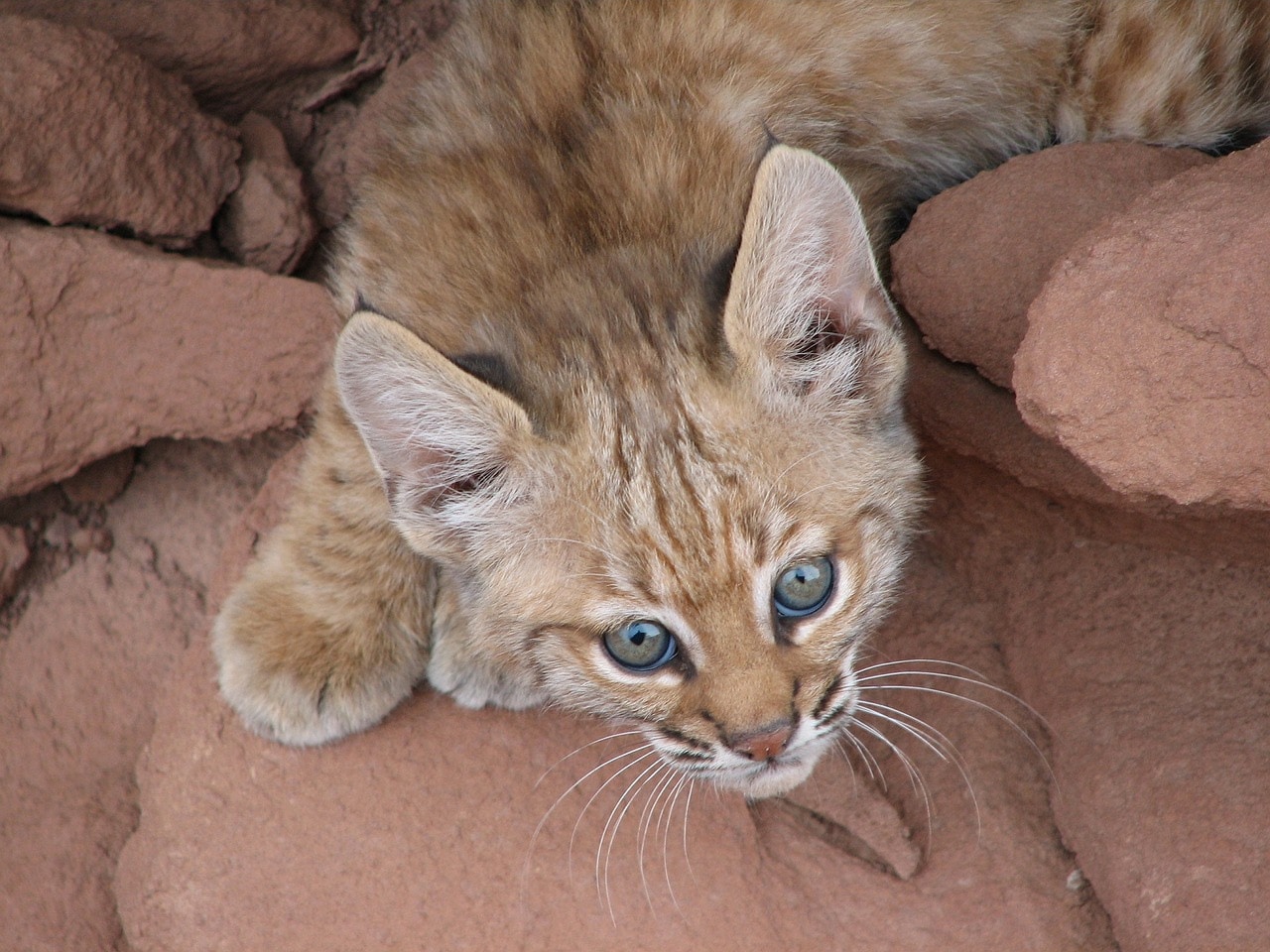
baby bobcat

And so I went to work. I called them urgently, asking them to WAKE UP! Wake Up NOW!

Next I touched the boy cub with my hand, offering the “Feel My Hand” healing technique (taught in the Advanced Animal Talk Mastery Course). The technique works beautifully to help animals reconnect with their body after a shock or trauma or injury.

And, Oh My God!! The boy responded!

He first started purring! Deep, full body purrs that got stronger and louder by the moment.

Then his paws twitched! And his lips moved, his whiskers twitched too. It was like watching his body come back to life!

He stretched, still purring like a freight train, and then?

Oh, that amazing and wondrous moment when he opened his eyes for the first time and looked directly at me.

He smiled and reached out to gently touch me with his paw.

In a moment, he rolled over and got his feet under him, then he stood up shakily. I helped him balance for a minute, then he told me, “I got this, thanks!” and I let him go with tears streaming down my face.

He came straight to me rubbing his head on me, climbing in my lap, all 35 pounds of him. His beautiful tufted ears dancing back and forth as we continued our conversation.

baby bobcatThen I asked him for his help. His little sister still hadn’t woken up, I was very worried.

So together we both focused on her, calling her, touching her.

He reached to her with both front feet and purred as he kneaded her side.

I did the “Feel My Hand” technique on her with his help, and within 5 minutes, she was AWAKE!

Shortly after that, I had 2 happy bobcat cubs rubbing against me, purring like crazy… They never ever harmed me in any way, they only delighted in my company.

It was one of the sweetest moments of my time in wildlife rescue – and of my life.

I’m delighted to report that both of the bobcats grew up strong and healthy after that. Every time I went to visit them, they raced to the front of their pen and eagerly rubbed on me in greeting, purring and telling me all about their day.

In The Heart School of Animal Communication, I teach animal lovers like you all over the world HOW to communicate with animals in my online self study courses.

The reason is so that you can really be there when animals need you the most, whether it be in wildlife rescue or your own home. So you can be their Hero, their best friend, their confidante. So they can help you too by sharing what they know that you don’t, yet. Together you can save each other’s lives one day…

Enjoyed this article? Here are some other popular posts you might like:

The Extraordinary Soul Connection I call The Human Animal BodyMind Connection

Talking With Animals Is Amazing! My Conversation With Grandfather Snake

What Can We Learn From Animals? The Smallest Creatures Can Teach The Biggest Lessons

The post The amazing story of how I saved the lives of 2 wild bobcat cubs through Wildlife Rescue appeared first on Val Heart.


source https://valheart.com/wildlife-rescue-the-amazing-story-of-how-i-saved-the-lives-of-2-wild-bobcat-cubs/

11 Best Tips: How to Keep Your Indoor Cat Happy

One of the big questions cat parents have to make is whether to let your cat go outside or not.  For their own safety (and to protect the wildlife outside your home) the best choice for many many reasons is to keep them indoors!

But if you do decide to keep your furrbaby inside as an indoor cat, then you need to know that indoor cats have special needs.

The BIG question then becomes, how to keep your indoor cat happy and healthy? Keep reading for our top 11 BEST Tips on keeping indoor cats happy and healthy.

After all, cats evolved to live outside very well as hunters living an independent life.  It’s their natural original habitat.

How to keep your indoor cat happy means that you embrace the fact that cats are natural born predators with a unique viewpoint all their own.

What makes sense to other cats may not ever make good sense to a human being.  Humans simply don’t have their instincts, their drives, their extraordinary senses and sensibilities.cats are natural predators
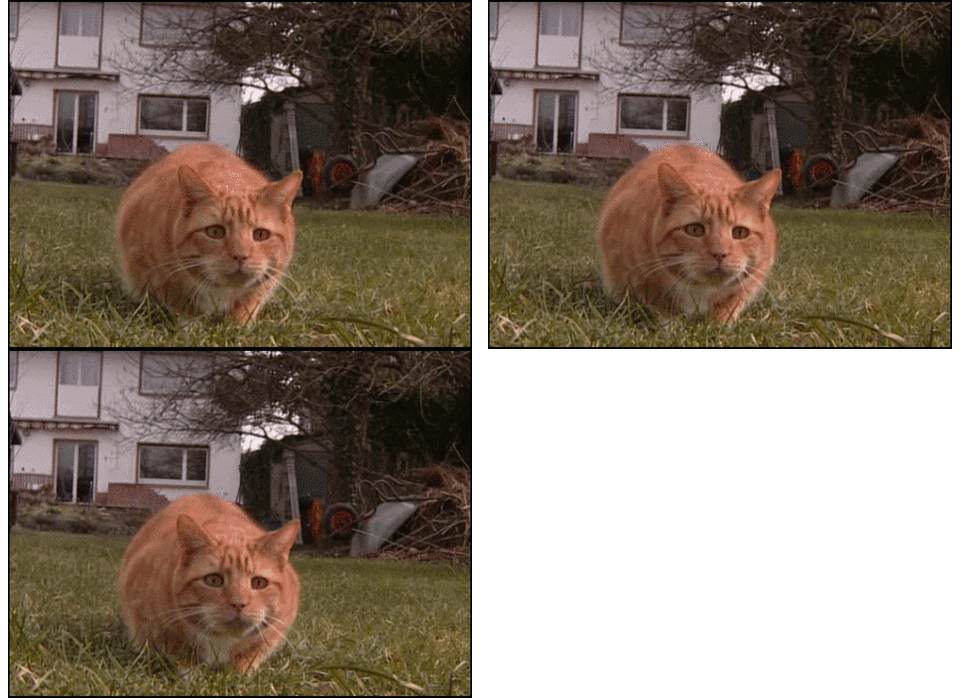
Outdoor cats do take their toll on birds and lizards and the like.  In fact, an article in National Wildlife magazine looked at the enormous toll that free-ranging domesticated cats take on wildlife in the United States.

They said that “the latest study conservatively concluded that between 1.3–4 billion birds and 6.3–22.3 billion mammals are killed annually by cats, making them one of the largest human-influenced sources of mortality for birds and mammals in the country.”

Also, outdoor cats are threatened by other predators, by cars and various vehicles, and illness.

As a result they typically often have much shorter lives compared to indoor only cats.

That isn’t to say that they might not be happier as an outside cat though.

Many indoor only cats are miserable and unhealthy and that leads to behavior problems.  It’s up to you as their caretaker to figure out how to provide a proper and stimulating environment to keep your indoor cat happy.

So it makes sense to keep your cat indoors, but if you do make your cat an indoor only cat, then there are things you must do as a good cat daddy or mom for them to be happy and healthy.

However, keeping your cat indoors happy and healthy can be easier said than done. Have you ever tried to turn an outdoor cat into an indoor cat?  It can be a challenge.  Some cats will adapt fairly easily, others will fight you every step of the way and will never agree to your indoor plan.  It goes against their nature.

They need to feel the soil beneath their paws, smell fresh air, go where their hearts leads them without constraint or entrapment.  If you keep those types of cat personalities indoors, something inside them will die a slow and painful death.
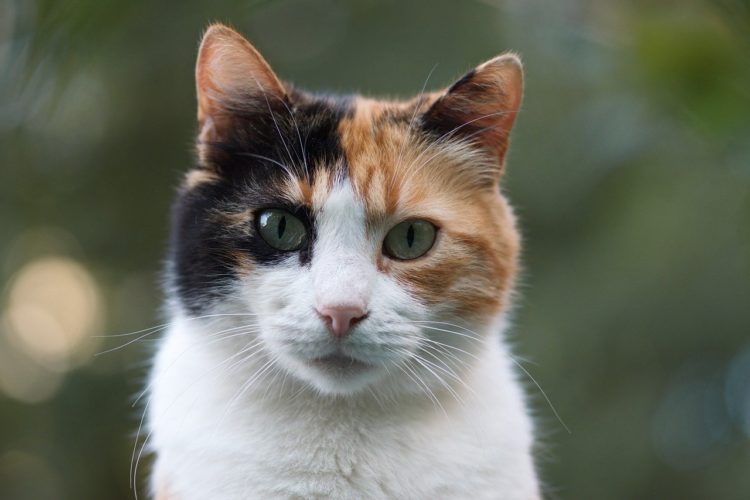
Lucy the calico manx cat

For instance, my boyfriend once adopted a 2 year old calico manx kitty from the Petsmart rescue shelter.  She was absolutely gorgeous with all her lovely colors, beautiful gold eyes and soft thick coat of fur.  For him, it was love at first sight.

He named her Lucy.

His intention was for Lucy be his RV cat and for them to travel around the country and live together, keeping him company.

His vision was that the cat would hang out with him, sleep with him, sit in the passenger’s seat while he drove, and be as excited as he was about globe trotting in the giant tin can he called a house on wheels.

Be aware!  Your cat may have other plans and unmet needs.

But here’s the problem.  Lucy was trapped and taken from her home a junkyard where she’d spent her entire life so far.  She hated the RV life.  She wasn’t sure she liked humans either.

She wound up hating him too for forcing her to live in the RV.  She attacked her “jailer” every chance she got, hid under the furniture, and tried to escape out the door at every opportunity.

She wound up getting very very ill after a short time, and started wasting away.  Lucy felt trapped and inconsolable because she simply couldn’t breath indoors and would rather die than live that way.

And that’s how she wound up living with me in my little garden home and side yard.  At first, as we bonded and got to know each other, I encouraged her to stay with me inside the house as an indoor kitty while she healed and recovered her strength.  But she was having none of it.

Her soul and spirit insisted that she could only ever be happy and healthy if she was outside.  Giving into the inevitable, we discussed the dangers of being outside, and how to keep herself safe.  She agreed to wear a collar with her name and other essential information on it.

Lucy agreed to stay close to home, and to come whenever I called her so I wouldn’t worry.  I agreed to feed her regularly, and to care for her and love her always.

She made friends with the possum that lived under the deck.  She occasionally wandered down the street and made friends with the neighbors who she visited often.  Lucy helped me raise my puppy Einstein, teaching him how to behave with cats and he adored her.  She often went on walks with us around the neighborhood too… that was great fun.

But I digress…

The point is, once she was listened to and respected and could live the life she wanted that made her happy, she recovered her health and well-being.  She occasionally agreed to come inside when it was especially bad weather, but she always let me know when it was time for her to go back outside and recharge her spirit and soul in the sun and fresh air again.  And she lived a very long happy life, to the ripe old age of 20 years old.  She was a favorite in the neighborhood too, known and loved by many of us.

I learned a lot from Lucy and her story is not the norm.

One of the important things I learned is that there are ways to keep indoor cats happy, healthy and entertained, and there are ways to make them miserable.

Here are our top 11 best tips for how to keep your indoor cat happy and healthy.

You’ve heard the saying, when momma is happy everybody is happy, but when momma ain’t happy, nobody is happy?

Well, when your indoor cat is happy, you will be happy too.  And believe me, if your cat is unhappy?  You’re not gonna like it.

Play Therapy!  Because a Tired Cat is a Happy Catcats love to play
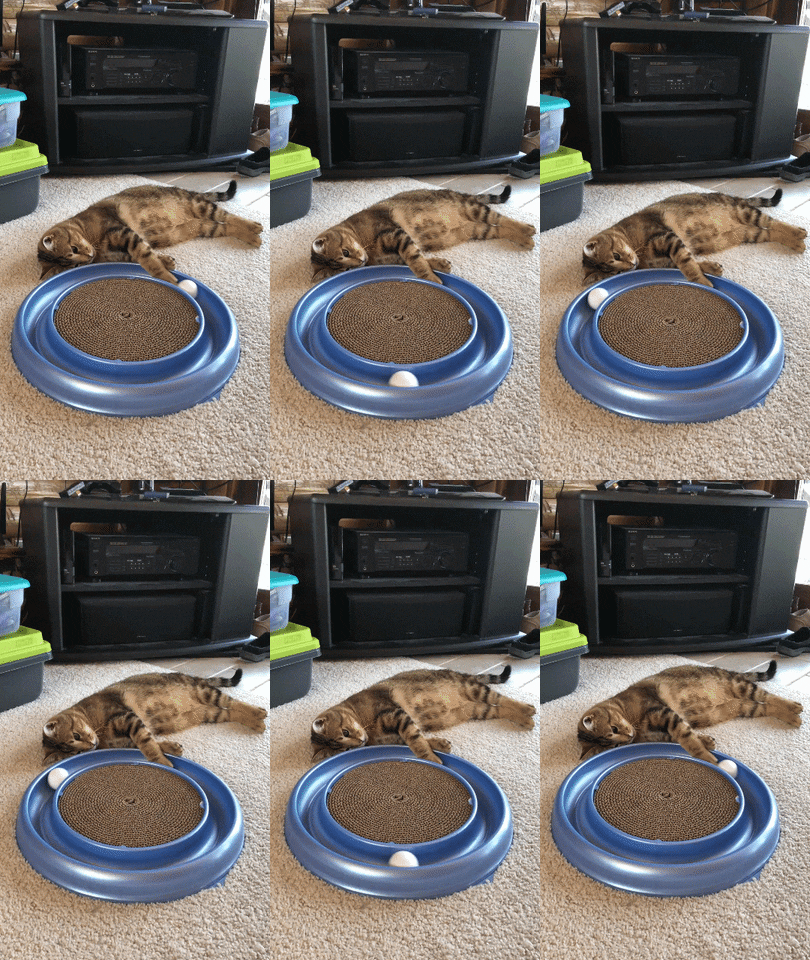
Cats can go stir crazy if they can’t act out their natural hunting instincts.  Cats chase feathers and toys because they are enacting hunting games.  Natural athletes, they’ve got to work out and express all that excess energy.  You can help them with that!

There’s no shortage of awesome fun solo and interactive cat toys that will keep your cat moving and grooving and feeling fine.

Boxes are great fun – cats feel compelled to be in a box.

There are toys that look like mice, toys with feathers, battery-powered toys with flashing lights and sound effects.  There are the infamous “red dot” laser pointers, moving toys, toys on strings and the oh so wonderful crinkle toys, and cat tunnels…

Everything that you need to help keep your cat pouncing and stalking and safely wrestling with their pretend “prey” indoors.  You can do it yourself too with sock toys with crinkly bits of paper stuffed or a plastic water bottle stuffed inside, dragging ribbons or bits of rope under a sheet or newspaper.  Make it fun and interesting.

Remember play for cats is a hunting game so your job is to recreate the movements and actions that a prey animal might make.  When you do that right, your cat will engage.  Do it wrong?  Boring….

Your cat wants solo toys, and they also want you to admire their athletic prowess!  So every day and before bedtime, have fun playing with your cat.  Your goal is to tire them out until they are panting and want to rest, typically 15 minutes or so should do the trick.

End the play time by giving them a bite to eat – after all, every successful hunt ends with eating what they caught…  Afterward, they’ll happily groom themselves, and then be ready for a lovely nap with you and will hopefully sleep all night long.

Keep your indoor cat active and engaged with toys.  Big toys, little toys, feathers and strings and long crawly things, squeaky, squishy and crinkly toys, find out what they like best and invest in your cat’s healthy, well-being and sanity as well as your own.

Bird Watching!  Setup Bird Viewing Stationshappy indoor cats love to watch birds
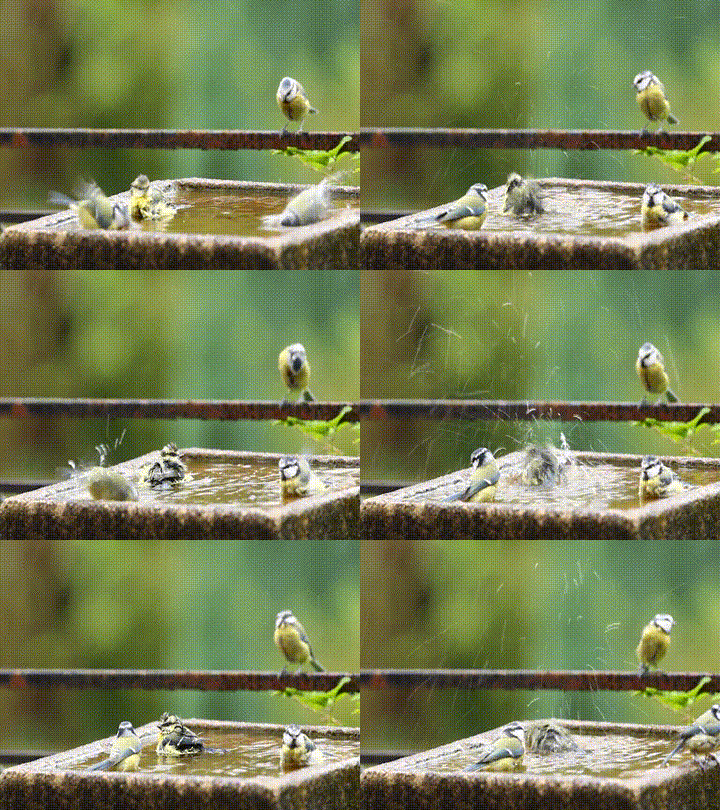
Another wonderful how to tip to keep your indoor cat happy is to setup a bird watching station for them.

Birds are natural prey for cats, and are fascinating in their own right.  Even well-fed domestic cats are attracted to small animals. Satisfy their need by setting up a bird viewing station inside.  Something like this – install a cat window perch and set up a bird or hummingbird feeder or maybe a bird bath right outside the window.

Your indoor cat will get the pleasure and the joy of watching the birds, and of course the birds will also be safe from being eaten, so that’s good.

Did you know that you can also reduce bird window strikes by putting baths or feeders outside a window?  And that’s a good thing too!  Win-Win-Win!  Check out these fun bird feeders and baths to get you started.

Hunting For Fun!  Let the Games Begin 

You’ve heard the phrase, cats have 9 lives?  That’s because cats are inherently curious creatures.  Exploring the world around them is important to them, it’s a creative exercise and enhances their sense of well-being.  If your indoor cat doesn’t have enough games and activities to keep them engaged and happy, they’re going to get bored.  A bored cat will act out, and even decide in moments of desperation that they must escape outside… because indoors?  Well, like a kid cooped up inside with nothing to do, it’s BORING.

Toys are great, bird watching is great, play therapy is great… Make things more interesting by hiding their favorite treats around the house. Think “easter egg hunt” or “treasure hunt” time.

There are also special cat treat puzzles and toys that make your cat work hard to extract the goodies.  They’ll keep your indoor kitty entertained on solving the problem for hours, or at least until they figure out the trick to it (think “rubics cube”.)

Did you know they use the same kind of things to keep lions, tigers and bears, oh my, plus other predators in good mental and physical condition in zoos?  Yes, it’s that important.

cats get high on catnipNatural Weed For Cats!  Catnip Makes For Happy Trippy Groovy Indoor Kitties

What is catnip?  It’s a plant in the mint family (Nepeta cataria).  It works on many kitties, although not all cats respond to it, because it contains a natural oil called nepetalactone which has a unique effect on cats. When your cat inhales the nepetalactone, their feline olfactory system senses it as a natural cat pheromone.

When your indoor cat rubs on or chews catnip, or rolls in it or scatters it everywhere, or pounces on it and looks spacey and so very funny, it’s because it’s producing a mild natural high that is both harmless and temporary, but that is very pleasurable for kitties.

It doesn’t usually have an effect on kittens under six months of age, but if your cat does love it, you have one more wonderful way to help keep your indoor cat happy.  Check out the different ways catnip comes, from dried form that you can fill sachets or socks or run on their favorite toys or scratching posts, or in these cute cat toys like the mini-mice.

You can also get it in spray form.  Then you can mist toys or cat beds or window sills. You can even grow live catnip plants in pots in a sunny window too.

Gimme a Box!  Any Box or Cave Will Do

It’s a fact!  Cats love boxes, any shape or size, small to large.  They feel safe tucked inside.  I’ve often felt that cats can be a bit autistic because they love to feel snug and secure, contained.

An upscale Cat Cave like this eco-friendly wool shaped cocoon is also a lovely place for cats to hang out with a space of their own.

The Trees The Limit!  Climbing Cats Are Happy Cats 

Wild cats are natural climbers, pursuing prey into the trees and seeking high places when frightened. Your indoor cat wants to climb too because it’s their instinct to do so.

If you don’t want your cat climbing the walls or your furniture or the window curtains or the bookshelf or the kitchen cabinets or…, then get them their own cat tree(s).

A great how to keep your cat happy tip is to provide a variety of ways for them to exercise and satisfy their urge to climb. cats need to climb

If you don’t do this for them, then don’t come crying to me about how your cat just destroyed your favorite piece of furniture!  You’re being a bad cat daddy or mommy.

Your furrbaby gotta climb, baby!!

Get a big enough cat tree that they can actually CLIMB.  The short little stubby scratching posts are not trees, nobody can climb that so don’t waste your money on the little ones.  They are unstable and your cat will hate it.

They come in all shapes and colors and sizes to fit your space and decor.

My all time favorite book about creating extraordinary cat spaces indoors is here, The Cats’ House.

This one’s fun too!  If you’re handy, you can build your own.

Take it to the next level! Another easy way to satisfy their urge is to add “cat shelves” throughout your home.  This takes advantage of all the vertical space on the walls for your feline family members. It can be as easy as putting up a few floating shelves mounted to the wall or you can create more involved “catwalks” that wrap around entire rooms.

There are basically two types of cats:  bush cats and tree cats.  Bush cats like to hide under things and peek out, feeling safe inside their “den”.

Tree cats need to be high, the lord or lady of their domain.  Have you ever seen a big wildcat like a lion or tiger lazing around in a tree?  They want to see everything and they feel safe from up high, plus if their prey was foolish enough to walk under them they could pounce!

Cat shelves will allow your kitty to get up high and go places only cats can go.

Let’s Go Outside! Take a Hike, Togethertake your cat for a walk

It is possible to teach your kitty to walk on a leash.  Or, there are cat carriers on wheels available too!  Sound crazy?  Not really even though there are some hilarious YouTube videos out there but believe it or not it is possible.  This is a great way to compromise your indoor cats needs to go outside and smell the fresh air, feel the sun AND it’s one of the most responsible ways to do it.

Start training your cat as a kitten and they’ll think it’s normal, no questions asked.  But even older cats can learn how to walk on a leash.

Tips:  Help your cat get used to wearing a harness for short periods of time indoors, then attach the leash for them to drag around.  Reward them for walking with you!

Whatever you do, don’t pull on the leash because it will make your cat fight you and the leash and have a bad experience.  The last thing you want to have happen is for them to have a bad experience or they won’t want to play with you anymore.

Once your cat is comfortable wearing the harness and leash, take them outside. Go slowly! At first just go on short trips outside and then gradually go farther.

Pay attention, you want your cat to feel comfortable. If you get stuck or have trouble, consult with a pro trainer, feline expert or professional animal communicator.

Did you know that the idea of walking dogs on leashes once seemed weird?  Now it’s the norm. Same with cats.

You Say Patio, Kitty Says Catio!  The BEST and Safest Way for Cats to Be Outdoors

Another great tip on how to keep indoor cats happy and healthy is to setup a “catio” to fulfill their craving for fresh air and sun and dirt and grass and… If you have a bit of space outside, then your kitty can have their own personal playground.

What is it? A catio is an enclosed structure that you can install in your yard, as an extension of your deck or patio.  Like a cat playpen or the feline version of a dog run. You can invest in premade easy to setup catios, or DIY plans, or hire a handyman to make. just do it yourself.

Stop The Hormone Dance!  Spay and Neuter Your Cat tom cat looking for love
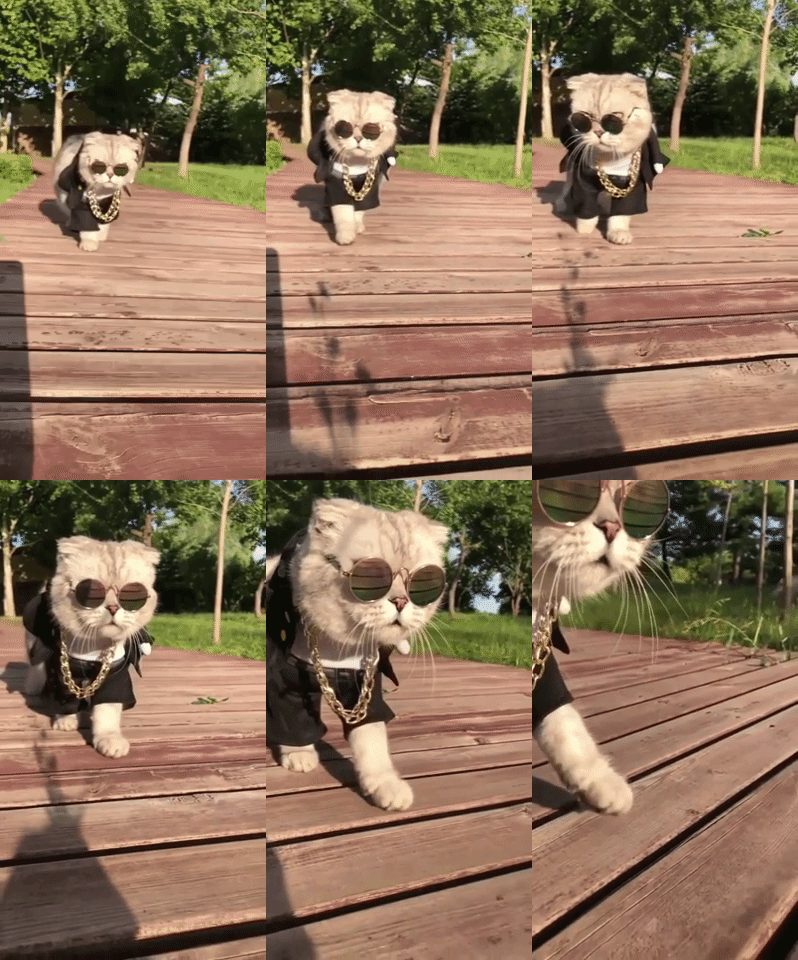
Spay and neuter your indoor cats. Spay and neuter your indoor cats.  Spay and neuter your indoor cats.  Do I have to say it again??

Intact cats are driven mad by hormones, turning them into essentially kitty sluts and ‘hos!  It’s not their fault.  Their time of the month brings out their wild side and they feel compelled to escape and find a mate.

Do your cat a favor.

Eliminate this added stress on your cats life, and your own when Little FooFoo comes up pregnant and has to drop out of school and be shipped off to the nunnery to have their babies and then their life is ruined and… kidding!

Still, neutering and spaying stops the siren call of the outdoors when they go into heat, and eliminates the chance that they could contribute to the unwanted cat population, get in cat fights, or what is also tragic and preventable is when so many cats wind up feral, sick or starving, stuck in shelters and even euthanized.

Don’t let that happen to your cat.

Snuggle Bugs and Kitty Love!  Take Time to Love Your Cat

Would you like to live your entire life with someone who doesn’t connect with you, have time for you, or love you?  No.

Do you love your cat?  Show it.  Your love and affection is one of the most powerful ways to keep them happy! Wild cats get their love and affection in different ways, but domesticated cats?  They’re stuck with us and they crave attention.

How to keep your indoor cat happy can be as simple as paying attention to them. Snuggle up with your cat, take time to pet and brush your cat, and play with them every day.  When you do, you help them feel cared for, like they’re important to you, and they respond with an improved sense of happiness and well-being.  love your cat
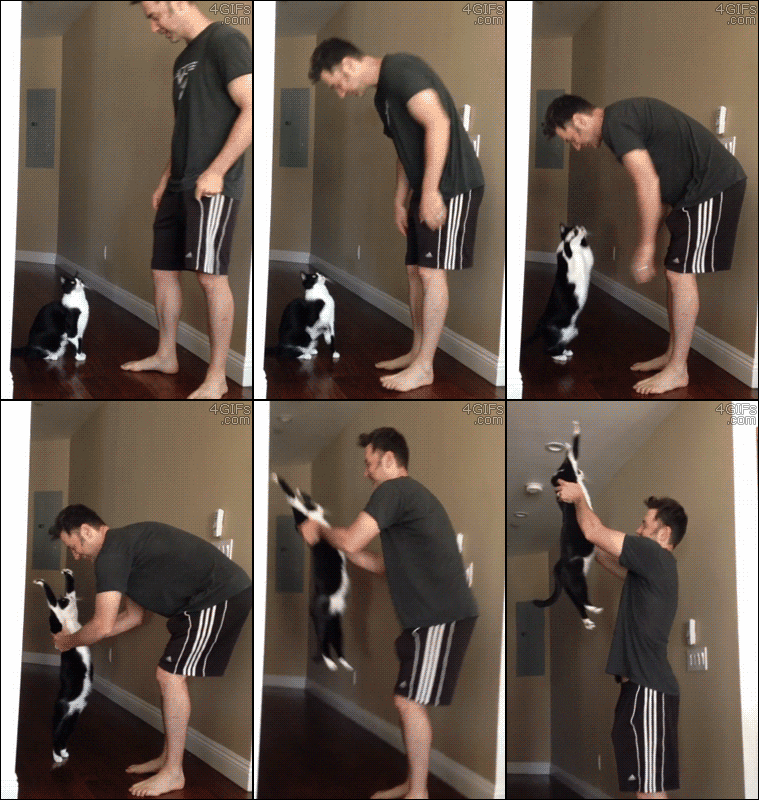
When your cat is happy and feels your love, they’ll return the favor.  Can’t we all use more love in our lives?

Cat Talk!  Learn How to Speak Cat

This last one is simple and easy to learn how to do.  If you truly want you cat to feel happy and be healthy, then you’ll want to know how to speak their language.

Communicating with your cat will give them a way to tell you how they feel, what they think, what they worry about or what they need and want.  They can tell you if they don’t feel good or are in pain.  And you can tell them about things that are important to you too!

What a wonderful difference it makes when you know what they’re thinking and feeling!

Start here at The Heart School of Animal Communication with your FREE ebook: Hidden Secrets to Communicating With Pets.

Did you enjoy this article? Here are some other popular posts:

What I’ve learned from communicating with cats as a Cat Whisperer!

4 Questions To Solving Cat Behavior Problems

Five benefits of animal communication.

The post 11 Best Tips: How to Keep Your Indoor Cat Happy appeared first on Val Heart.


source https://valheart.com/how-to-keep-your-indoor-cat-happy-and-healthy/
Thursday, 30 July 2020

What Are the Friendliest Dog Breeds? There’s More to it Than You Think!

If you’re thinking about bringing a new canine companion into your family, you might be wondering what the friendliest dog breeds are to choose from.


Dog breed matters!

When you introduce a new dog to your family, children, other dogs or even a place they’ll be around lots of people, you want a dog who is friendly enough by nature to adapt to these types of situations.

In fact, if you think about it, there aren’t many situations where a dog’s friendliness isn’t the top of your list of qualities of a potential dog.

There are a few different elements to finding the perfect dog, and knowing the friendliest dog breeds to choose from is an important part.

While breed and size are obviously important factors, you have to consider the dog’s training and their previous environment when figuring out where they will land on the friendliness scale.

Here are four important factors to consider when finding the friendliest dog breeds for you and your family.

friendly dogs

1. Their Environment

You can find the friendliest dog breeds in the world, but there are some things that you just can’t control, namely other dogs.

Having a community of friendly dogs at your local park or walking routes can really help encourage a dog to be as friendly as possible, but this can go the other way if there are aggressive dogs in the area. 

Dogs learn from each other—think of it as your kids at school “getting into the wrong crowd”. That’s easier to avoid with dogs, though, because you can always choose other locations to exercise and socialize your dog. 

Another issue that can be a problem with certain dog communities is fleas.

Again, this is easily comparable to school children and the problems that can arise when there is just one parent who doesn’t do anything about nits or lice. If there is a dog that always has fleas it can be a big problem for your own dog.  

Fleas are hard to get rid of once you get them, and will drive you and your pet crazy!  You’ll need to have a flea remedy at hand, whether it is a natural flea and tick deterrent or something like frontline.  Beware of topical as well as oral medications though, because they can cause health problems in some dogs.  

Learn how to speak your dog’s language!  Download my FREE Ebook: Hidden Secrets to Communicating with Pets HERE


friendliest dog breeds beagle

2. Breed

As pedigrees are bred for specific purposes, there are obviously some that are bred away from friendliness if their function is to be a guard dog, fighter, or worker. That said, any opinions on what are the friendliest dog breeds are just that, opinions. Here is a list of friendliest dog breeds from dogsbreedlist:

  1. Labrador Retriever
  2. Alsatian German Shepherd
  3. Beagle
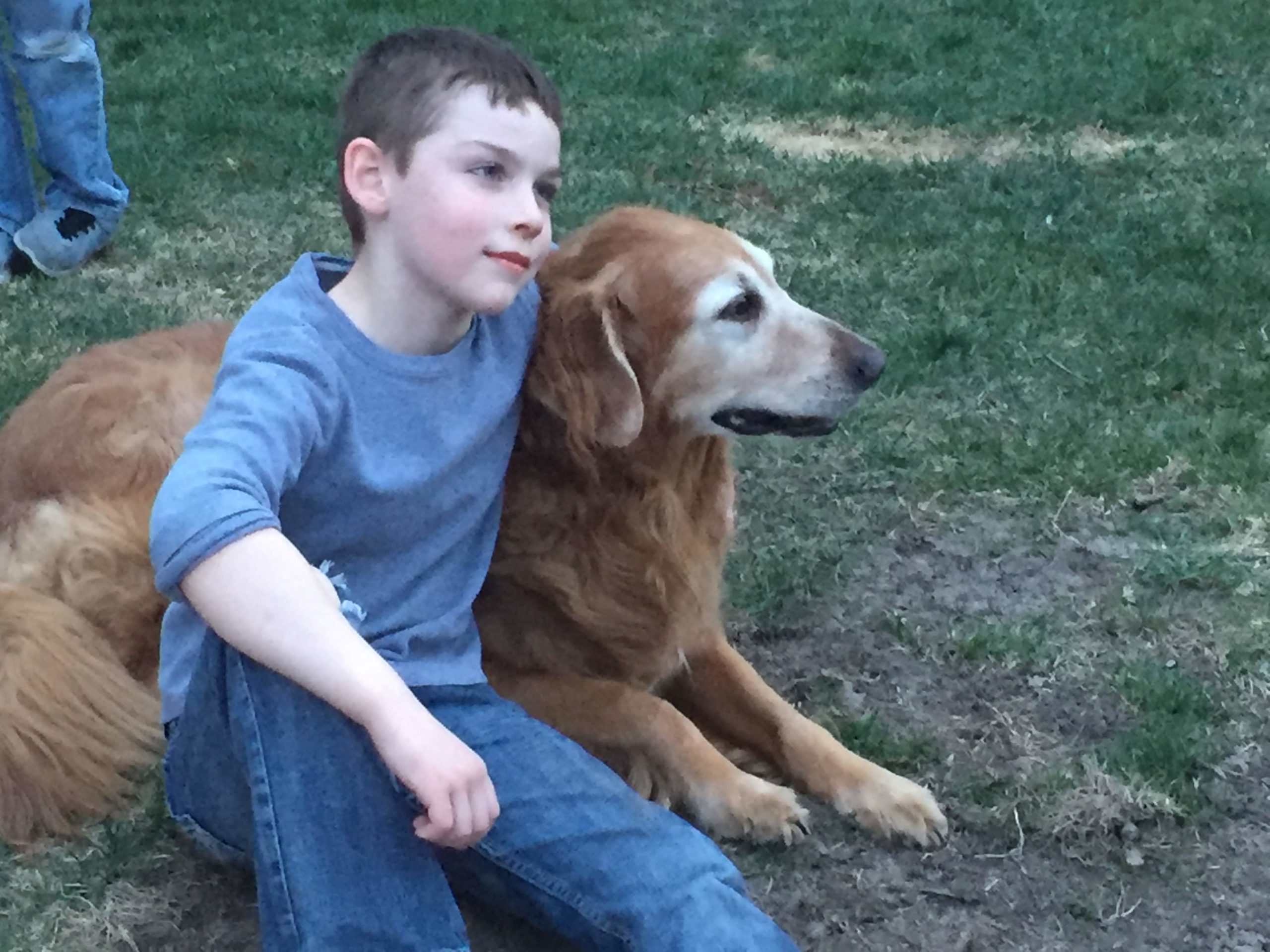
  4. Golden Retriever
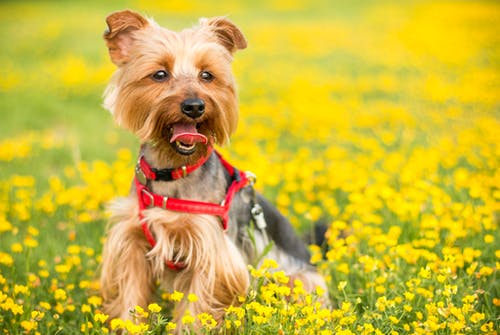
  5. Yorkshire Terrier
  6. Boxer

friendliest dog breeds golden retriever and boy

Now for some speculation on why these specific breeds are in the top 6 of the list. 

All these wonderful breeds have been family favorites for many years. The only setback if you want a great friendly dog for your family is that the larger dogs require a lot of exercise because they are a high energy kind of dog.  

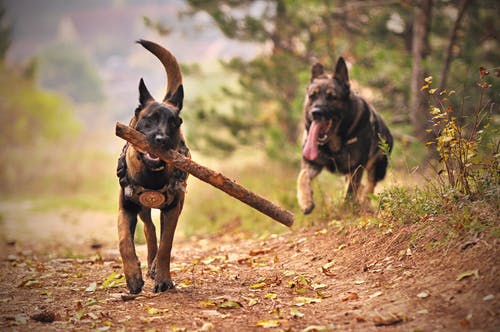
The Alsatian (German Shepherd) seems like an odd one to be on the list, given their reputation for being staunch guard dogs. But despite their serious demeanors, they can be very loyal and friendly dogs, although they also need a lot of exercise and like all dogs, proper training. 

The only ones on the list that doesn’t need a lot of exercise is the beagle and terrier and don’t grow to be the size of a small human. 

friendliest dog breeds Yorkshire terrier

3. Size

Are the friendliest dog breeds determined by their size? 

Not necessarily, since different owners have different expectations. Behavior can be altered to make friendly dogs better or worse. 

The main issue with size and friendliness is that people ignore bad behavior in small dogs as it’s not as obvious or threatening. If a 150 pound St. Bernard constantly jumps up at people, it’s very dangerous and the owners must quickly work on rectifying the situation. 

However, if a Chihuahua does the same thing, it will go unchecked and may even be encouraged by picking the dog up and coddling it to be quiet or control it. Sometimes people even find the doggo antics cute!

Also, except for the Beagle and Terrier, they can become quite large growing up to 80 to 100 pounds or more.  As you can imagine, they eat a lot too!  The bigger dogs are not lap dogs although they may love to be in your lap!  For these reasons, some of the friendliest dog breeds might not be suitable for someone without much spare time or room.

It’s small issues like this and improper training that generally mean bigger dogs can be better behaved by the time they get to adulthood.  On the other hand, all dogs do need proper socialization to be friendly. 


via GIPHY

4. Training

The bottom line is, Training is the most important aspect when you want your dog to be as friendly as possible. All breeds can be friendly or aggressive depending on their upbringing and handling. Be sure you’re ready to be a proper caregiver, guardian and good dog parent before getting any dog, and all will be well.  Click here for a list of things to do and to avoid when training your dog.

Author Brett Janes is a MA writing student at LJMU, UK, founder of literary organization King Yeti and a member of The Wild Writers, a collective who run events and exhibitions throughout the Northwest. Also writes guest posts for Vet Medic, who is one of UK’s leading pharmacists and vets who are genuinely passionate about pet health and medicines.


Did you enjoy this article? Here are some more you might enjoy:

Healing dogs through meditation.

TedX talk: animals are smarter than you think.

Doggie depression: how to help your dog out of the blues.

The post What Are the Friendliest Dog Breeds? There’s More to it Than You Think! appeared first on Val Heart.


source https://valheart.com/friendliest-dog-breeds/

Friday, 24 July 2020

Why You Should Not Own a Cat and Dog Together

Do you own a cat and dog together? 

Do you sometimes wish that you didn’t?

Cats are wonderful on their own—intuitive, filled with unique personality, (usually) loving and playful. They even take care of you, bringing you your own freshly-killed meals! 

Dogs, too, are extremely rewarding companions in so many ways. But put the two of them together, and you could suddenly have two neurotic, aggressive animals bringing tension into your household.

The cat and dog together TV cliché: too close to truth!

For instance, consider Odie and Garfield. Tom and Spike. Snowball and Santa’s Little Helper. The cats and dogs in the entire Cats & Dogs movie franchise. 

These are just some examples of the “cat vs dog” dichotomy that is so popular in TV and movies. In fact, this rivalry is one of the oldest and most popular animal tropes in media.  

Comparing cats to dogs is like comparing apples to oranges; all it does is point out how vastly different they are. Yet cats and dogs are constantly pitted against one another in the media. 

Think about it: dogs are usually associated with kind-hearted heroes while cats are seated on the laps of villains. Right? Another popular use of the cat/dog dichotomy is to portray dogs as dumb creatures while cats are seen as cunning and hostile.

As with most tropes in popular culture, there is some truth to the cliche, and if you have a cat and dog together in your home, you know this better than anyone. 

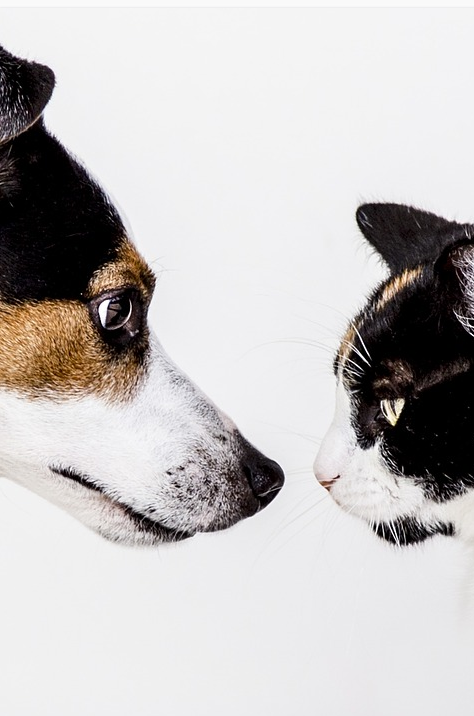
cat and dog faces

Putting a cat and dog together can be like trying to mix oil and water!

While cats and dogs make great pets on their own, having both animals living together is another matter. Cats and dogs are so different, personality-wise, that it’s easy to understand why they get along like, well “cats and dogs”. If you are someone who is planning to have a cat-and-dog household, you may want to think again.

If you have not already done so, now would be a good time to reflect on the kind of pet companion you are and ask yourself this simple question: “Am I really ready to own a cat and a dog?”

Getting a pet is a lot of work in and of itself, but getting another literally doubles the responsibility, not to mention the cost. Think about it realistically: cats and dogs have very different needs. Will you be able to meet all of them, separately and fairly? Do you have precautions in place, like insurance? In the event of a sudden illness or accident, would you be able to afford their treatments? Now might be a good time to research how much vet care costs over a pet’s entire lifetime. Can you truly give them the proper love and care that they deserve?

Here are other important points to consider before owning a cat and a dog together:

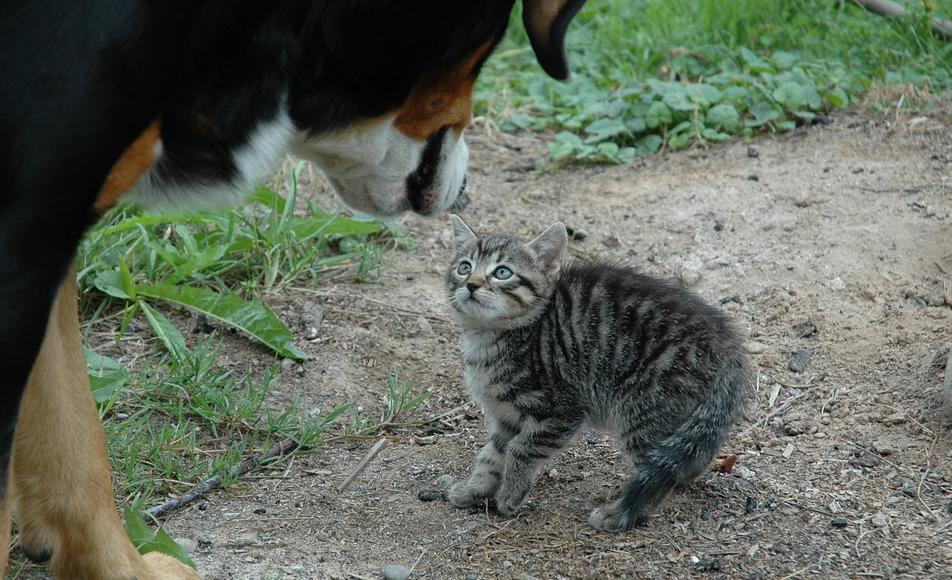
scaredy cat

Cats and dogs suit different lifestyles.

There’s a reason that the question “are you a cat person or a dog person?” is so popular—it says a lot about you! 

Cats and dogs tend to be representative of their owners. Are you the outdoorsy type? If yes, then a dog would be a perfect fit for you; cats less so as they like to stick close to home and don’t generally travel well. Ever tried to get a cat to “heel” on a walk? Enough said. 

Do you want your relationship with your pet to be that of equals, with your pet free to roam around the house and seek your affection on their own terms? If so then you will love cats; a properly trained dog understands that you are the “alpha” and ideally will do what you ask, whereas cats will never agree that you are alpha over them.  It’s not going to happen.

Cats are generally more laidback and self-sufficient—they prefer to socialize only when they feel like it.

They need a safe place (or several) in the house where they can retreat to and rest. And they often don’t mind being left alone for days at a time, as long as you leave them with enough provisions and someone to check in on them regularly. Cats are resourceful creatures and will find a way to thrive, no matter the conditions. After all, these are animals that basically domesticated themselves when they learned it would make their (nine) lives easier if they gave a show of affection occasionally and meowed, sometimes a lot!

Dogs, on the other hand, are more high-maintenance.

Dogs require exercise regularly and are entirely dependent on their human for food, water and bathroom breaks. They need daily supervision and attention. On the upside, they are generous with their affection and intensely loyal.

Dogs, when properly socialized, are open and friendly, but don’t let that fool you. Dogs are intuitive judges of character and aren’t afraid to show when they don’t trust someone. They can go from wagging their tails to a crouching attack stance at the first hint of danger.

Beyond these generalizations, traits vary from breed to breed as well, so there is a significant difference in the care each pet requires of its human—double that if you have a cat and dog together. 

You’re on your way! It’s time to learn how to talk to animals. Start here at The Heart School of Animal Communication with your free ebook – Hidden Secrets to Communicating With Pets 

via GIPHY

Cats and dogs are natural enemies.

Cats and dogs have a long, drawn out history of being natural enemies. When cats and dogs encounter one another, their natural instinct is to revert to fight-or-flight mode. It’s biological and not something you can totally eliminate. When putting a cat and dog together for the first time, you must facilitate it carefully. Make sure your cat knows where its escape route is, and you may want to keep your dog on a leash.

Cats and dogs have different styles of play.

This is a huge factor to consider. Different styles of play can result in frequent altercations when you have a cat and dog together. Cats and dogs have distinct preferences for games that are very different: cats prefer to stalk and pounce while dogs like to chase and run after things. Why does this matter so much, you ask? 

Well, for one, this means there are bound to be misunderstandings between the two. A dog chasing after a cat may think he and his new friend are just playing, but the cat might be absolutely terrified. 

On the other hand, a dog might be confused and hurt as to why the cat keeps swiping him whenever he approaches. What he doesn’t realize is he’s getting too close into the cat’s personal space. These misinterpretations could go on forever and the only way to fix them would be to set some ground rules in the household and train both pets.

These are just a few reasons why you should not have a cat and dog together. 

But the main reason is there’s a lot of risk involved, not just for both animals, but for the peace and harmony in your household. Should you decide to go ahead and get a dog and a cat anyway, just be aware that you will have your work cut out for you! 


Enjoyed this article? Here are some other popular posts you might like:

Understanding your pet better: tips to get started.

Cat gingivitis: two natural ways to resolve it.

What is Bodytalk for animals?

The post Why You Should Not Own a Cat and Dog Together appeared first on Val Heart.


source https://valheart.com/3-reasons-why-you-should-not-own-a-cat-and-dog-together/

Monday, 13 July 2020

First-Time Dog Owner Guide: Health and Nutrition

You got a dog for the first time? Congratulations!  You’ve found a reliable and wonderful new friend… unless you make any of these dog parent mistakes…

Dogs are man’s best friend, and they stick close to you forever, but you are going to need a First-Time Dog Owner Guide to help avoid making serious and costly mistakes with your pup.

In this new phase of life with your canine companion, it’s natural to be a little worried. The good news is, we have got you covered!

Here is an informative piece on how to take care of your dog and what to expect in his various stages of life.

Adjusting to a New Home

Your dog, especially in his infant stage, would need some time to settle into his new space. This period can take weeks, but you have a huge role to play if you want your pet to settle in faster. First, you have to be patient.

Depending on your dog’s breed, he may be quiet in his first few days in his new space. If your dog is from a shelter, he would need more time to adjust and settle into his new space. For most new pets, it takes a few weeks to fully bring out their personality. Thus, you have to be patient and train your pet to love his new space. You should have everything handy and develop the right routine to train your pet.

Caring for a Puppy

Puppies need constant care and attention. They have unique food formulas; need specialized training, vaccinations and care. It is important to set firm boundaries at this stage. What is cute in a puppy is not in a dog. Those love bites while teething will turn into aggressive play when they grow up. And potty training takes longer than one may think. Sometimes, it can be overwhelming, and it feels like having a baby around. But it is very rewarding as you get to bond with your pet at that early age.

To care for a puppy, you will have to carry out proper research on your pet’s breed type. It would help point you towards the right direction on how best to take care of your pet. Some idiosyncrasies may pop up (such as having a louder breed) that you have to take into account.

Other common problems for a new dog owner are the separation anxiety that occurs and behavioral problems if not addressed early. More on this in Behavioral Problems.

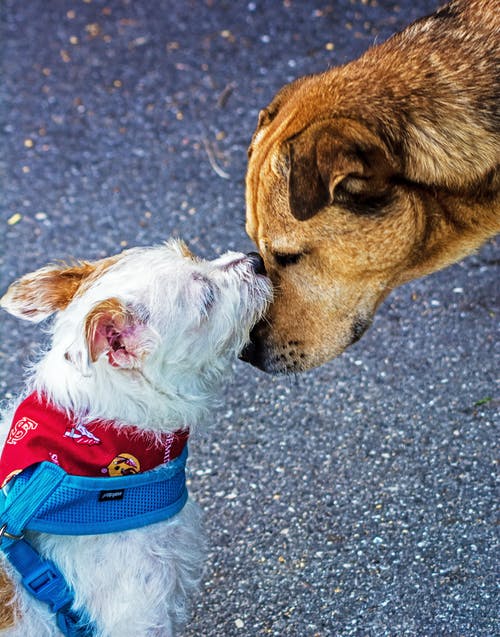
dog socializing

Socialization

When your puppy is first taken home, it is important to cocoon them in the house. This period lets them know where home is and gives them some stability in a time of transition. After a few weeks, introduce them to other dogs and your friends. Socialization early in life is important to prevent your dog “guarding” you in the future. Good ways to socialize often are trips to the dog park, hikes and puppy play dates. Although pricey, dropping your dog off at doggy daycare a few times a week when you go to work is a good option as well.

If you are introducing a new pooch to the pack, give them their own space in the house. The introduction should take place in neutral territory, like a park, however it is important for your first dog to know that the newcomer has their territory as well (i.e. their own toys, bed, food bowl). The early stages of introduction are the most important, so do it slowly and be careful letting them play off-leash too early. Monitor the dogs closely for the first few weeks to catch bad habits.

Dog’s Nutritional Needs

Dogs have basic nutritional needs throughout the different stages of their lifetime. Your pet will need the right nutrition, shelter, physical and social activity to lead a healthy lifestyle.

Once you meet all these requirements, you will have a happy dog. The basics needs change with the age of your pet. Puppies and growing dogs need more playtimes to help them stay active and reduce anxiety.

As your dog gets older they may need supplements to get all their nutrients and keep the energy up. Thus, they need high-calorie dog food to provide all the liveliness for their daily playtime. Old dogs have a harder time retaining weight, so be on the lookout for times when you should supplement their meals with more protein or carb heavy meals. They also need special attention so as to reduce their anxiety in old age. Tools like a bigger dog crate or an orthopedic dog bed will help them manage bone health and other aging health issues.

The Importance of a Vet

It is important to get a veterinarian for your dog’s lifetime. Having the same vet will ensure that your dog’s patterns are known, and a history of their medical visits are documented in one place. After getting all the shots and spaying/neutering your pet, take them to the vet once a year for a regular checkup. Be sure to visit if your four-legged friend is having trouble with bowel movements, is not moving very much through the day, or any other irregularity. Best to be safe than sorry!

dog scold

Managing Bad Behavioral Problems

Face it. Your dog is going to pick up bad habits as they grow older. Your pet may develop minor issues like bad chewing habits and excessive barking. There are more severe concerns like anxiety and aggressiveness. This is especially important to work out in the beginning of your relationship because it will form trust. This is especially apparent in rescue dogs. Again, it takes a while for their personality to show and even longer to earn their full trust. Just remember that a handy training book, tasty rewards and a whole lot of patience will help.

Some helpful training tips for your furry friend are:

  • To prevent separation anxiety
    • Crate train your puppy
    • Keep your routine the same
    • Spend time away from your puppy
  • To prevent biting
    • When puppies bite, playtime is over
    • Hold a treat and walk around with your puppy at your feet
    • Give your puppy chew toys
  • To prevent fence guarding
    • Call your dog once, if they do not respond play with their toys by yourself until they come
    • Do not use their name as a punishment
    • Bring your neighbors over
    • Socialize your puppy from a very young age
    • Let your guests feed your dog
  • To prevent anxiety
    • Exercise your dog often
    • Introduce them to new people by allowing them to feed your dog (this will be a slow process)
    • Crate train your puppy
    • Have a solid routine for your dog

Grooming Your Dog

Grooming is an essential part of caring for a dog. Your dog’s coat and skin health are as important as his nutrition. Remember, your dog’s nutrition will play a big role in their skin health. Thus, you have to use the right shampoo and dog brush to ensure that their coat stays clean and shiny all the time. Depending on the breed type, your dog’s grooming patterns will be different. Dogs with long coats or undercoats should be professionally groomed once every other month to prevent knotting and overheating. Be sure to get the right brush as it makes grooming fun for both you and your pet.

Learn to Speak Your Dog’s Language

Just as important as knowing how to take great care of your canine friend, it’s also important to learn to communicate with dogs.  To help you with that, download my FREE Ebook: Hidden Secrets to Communicating with Pets HERE.

Or dive into the complete Talking With Animals program with my Beginning Core Foundations Animal Communication Course.

Maybe you’ve already begun your journey in Animal Communication. If so, it’s time to go to the next level.

Find out how to access the Masterclass here

All our great courses are fully guaranteed, so there’s no risk to taking the next step.

Congratulations on finding your new best friend! Just keep this First-Time Dog Owner Guide handy and you’ve got this! 

Did you enjoy this article? Here are some other popular posts:

8 Fascinating Dog Facts You Need To Know8 Fascinating Dog Facts post


friendliest dog breedsFriendliest Dog Breeds


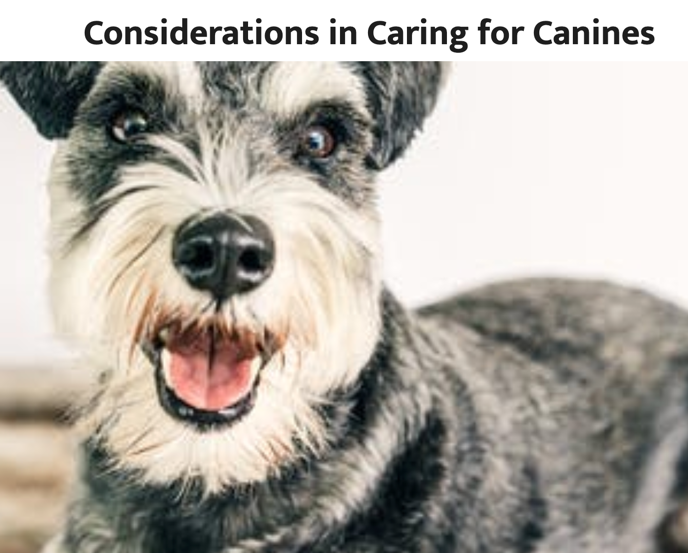
caring for caninesConsiderations in Caring for Canines

The post First-Time Dog Owner Guide: Health and Nutrition appeared first on Val Heart.


source https://valheart.com/first-time-dog-owner-guide-health-and-nutrition/

Friday, 10 July 2020

Cat Gingivitis – Two Natural Ways to Resolve it

Cat gingivitis is more and more common all the time. But what’s interesting is, cats in the wild don’t suffer from gingivitis—if they did, they would quickly die because they wouldn’t be able to feed themselves without the veterinary care that domesticated cats enjoy.

So, in order to determine the best cures and treatments for cat gingivitis, this is the direction we need to be looking in.

What is cat gingivitis?

To put it simply, cat gingivitis is inflammation of the gums. It can occur at any age in any breed. Not only is cat gingivitis a painful problem, but it is also a big blinking sign letting you know that the overall health of your cat is not what it should be.

It’s also an indicator that the teeth are going to be a problem as well, sooner or later. They could loosen and then fall out.

Cat gingivitis sounds pretty grim. And the truth is, it is unnecessary pain and suffering that your cat doesn’t need to go through. With the following two measures, you can prevent cat gingivitis or else restore balance if it is already progressing.

Are you interested in learning how to really communicate with your pets, so you improve life quality for them and for you? Click here to check out all of my online courses, and get started now!

Two natural ways to prevent cat gingivitis

The first thing any natural health professional will try to do is restore a healthy immune system in your pet. Once balance is established in the whole system, everything else will slip back into a natural order, including your cat’s dental health.

  • Diet

cat eating


One of the main causes of cat gingivitis is diet. 

Diet is critical to everyone’s health, not just humans. Human diets can be shoddy at best, but at least there are some basic laws in place that govern the manufacturing and marketing of human food. 

Unfortunately, these regulations do not exist in pet food; the pet food market is a free-for-all, and anything can, and does, occur. For example:

  • preservatives that are highly toxic, despite any claims on the packet
  • high-fat products that are unusable in human food
  • low-grade meat by-products (rejects from human consumption, with questionable protein content)
  • cheap filler such as melamine, sugar or crushed nutshells

Please don’t think the processed food recommended by your veterinarian is any better.  It’s not.  Veterinarians have little formal training in cat nutrition, and are often swayed by cat food manufacturers to promote their food as a way to boost their practice’s revenue. 

Go raw!

On the other hand quality, raw meat and bones provide a cat with complete and balanced nutrition. Crunching up small raw bones keeps their teeth clean, their gums healthy and their minds happy. Dry food doesn’t come close to achieving this, despite any claims otherwise.

The truth is, cats on this diet rarely suffer from gingivitis.

  • Mercurius


While you are transitioning to a quality raw diet, your pet might need some immediate help with their cat gingivitis. The homeopathic medicine Mercurius can be used successfully in restoring healthy gums when the cat’s symptoms include:

  • red and swollen gums
  • the mouth appears dirty
  • excess salivation
  • ulceration may or may not be present
  • symptoms are worse at night

Be Aware of the Connection Between Cat Gingivitis and Vaccinosis

Vaccinations and over vaccinating can be an underlying systemic and chronic cause of gingivitis and cat gum diseases.  Until your cat has a healthy mouth, it’s a good idea to pause on their vaccinations.  In fact, one of the reasons using the homeopathic Mercurius works so well is that it helps neutralize vaccinosis problems.  

 It can be awful watching your beloved friend suffer from cat gingivitis. If you try these two natural solutions, you can help to prevent cat gingivitis from happening, and save yourself lots of time and money at the veterinarian’s office!

Author: Madeleine is a natural health consultant, specializing in homeopathy. She treats both people and animals. She is as passionate about natural, wholesome food as she is about a natural approach to health. Madeleine writes weekly ezines about how to achieve natural good health with simple, home prescribing and diet. Madeleine has been writing on natural health and homeopathy since 1997. Her hobbies include being with animals, being in nature, self-development, empowering others. She likes to be able to laugh at herself.

https://learnhowtotalktoanimals.com/all-online-courses/

Enjoyed this article? Here are three more you might find helpful:

Time travel is the best superpower to help abused animals heal negative emotions.

The three fundamental animal talk principles.

Animal communication training; protect your pet from predatory pests.

This article has been updated from a previously published version.

The post Cat Gingivitis – Two Natural Ways to Resolve it appeared first on Val Heart.


source https://valheart.com/cats-with-gingivitis-two-natural-ways-to-resolve-it/

Tuesday, 7 July 2020

8 Fascinating Dog Facts You Need To Know

Having pets can make your life more interesting. Just think of all the fun dog facts you can learn about your new best friend! Being a pet owner can help you stay fit, provide companionship, and lower your stress levels. Having pets will also make it easy for you to make new friends, improve your immune system and teach your kids responsibility.

Pets can easily steal anyone’s heart. This doesn’t only depend on their irresistible faces and unpredictable antics. Pets can do a lot of things and not every pet owner understands what these are.

You can appreciate your pets better by learning the following fascinating dog facts:

1. Your Dog’s Nose Is Wet Because It Helps Them Absorb Scent Chemicals

Contrary to popular belief, seeing that your dog’s nose is wet is not a cause for concern. In fact, dog’s noses are supposed to be wet because this allow them to absorb scent chemicals from their surroundings so that they can easily use their sense of smell.

Dog’s noses naturally secrete a special mucus that makes it amazingly easy for them to absorb scent chemicals. When a dog licks the mucus, it can understand what the smell is and where it’s coming from.

2. Newfoundlands Are The Best Life Guards

Dogs are a man’s best friend but do you know that certain breeds play this role better? Newfoundlands, for example, are considered to be the best lifeguards anyone can have because they have webbed feet and water-resistant coats. These characteristics allow the dog to easily jump into the water and rescue drowning people. Besides, innovative strategies such as BodyTalk for Animals can help you easily recover from injuries.

3.  It’s Common For Dogs To Eat Feces

A lot of pet owners usually freak out the moment they see their dogs eat feces. This is especially true for first-time pet owners. If you see your pet doing the same, don’t worry as, although this isn’t the most pleasant of dog facts, this is perfectly normal behavior.

Ever since their pre-domestication days, dogs have been eating their feces and other fecal matter. This behavior is common among puppies, and older dogs grow out of it as they age.

4. Dogs Have A Sense Of Time

This might come as a surprise but dogs have a sense of time. If you take your dogs for a walk every day around four in the afternoon, expect that they’ll be waiting for their leashes at the same time every single day. Dogs can predict future events, especially if you’ve trained them to do specific activities at the same time every day.

dog facts

5. Dogs Can Get Jealous

It’s common for pet owners to get more than one pet. If you’ve enjoyed taking care of a puppy until it grows up, you’ll likely add a couple of more pets to the family. This may improve the lives of pets but this can make your first pet jealous. Dogs are known to get genuinely jealous if they see their owners spending time or displaying affection for other pets.

6. Dog’s Ears Are Pretty Impressive Too

It’s common knowledge that a dog’s sense of smell is better than that of humans. This is one of the reasons why dogs are trained to sniff drugs and follow trail scents of specific individuals. But aside from these, are you aware that your dog’s sense of hearing is also as amazing as their noses?

By properly positioning their ears in the right direction, dogs can pick up a host of sounds that humans can’t hear. It’s believed that dogs tilt their heads to one side because this is their way of locating the source of a sound.

7. Dog Noses Are Not The Same

Although they may look similar, no two dogs have the same noses. You can think of your dog’s noses as their fingerprints – each dog having unique patterns of creases and ridges on its nose.

8. Tail Wagging Has Its Own Language

Pet owners immediately think that their dogs are happy when they see their tails wag. However, this isn’t always the case as dogs wag their tails for different reasons. Some dogs wag their tails when they are happy, while other do it when they feel scared. Wagging low can mean that your dog feels insecure, and rapid tail wagging accompanied by dilated pupils and tensed muscles can signal aggression.

Appreciate More

Being a pet owner can be tough as you have to spend time and effort in taking care of your furry friends. You also have to spend money on buying the right products for them and visiting vets regularly. Accomplishing all of these can be challenging at some point. However, once you learn some dog facts and understand how interesting these creatures are, you’ll surely appreciate them even more!


Are you ready to deepen your connection with dogs and learn to speak their language? 

Get your FREE eBook here! Hidden Secrets to Communicating with Pets at The Heart School of Animal Communication.  


Did you enjoy this article? Here are some other popular posts:

How to Stop Your Dog From Begging the Gentle Way

5 Critical Animal Whisperer Questions To Ask Your Pet

Positive Dog Training Jonathan Klein on the Real Dr Doolittle Show

The post 8 Fascinating Dog Facts You Need To Know appeared first on Val Heart.


source https://valheart.com/8-fascinating-dog-facts-you-need-to-know/